Property Made Ready for What Comes Next
Land Clearing in Mobile and across Baldwin County for coastal lots thick with brush, storm-damaged timber, and pre-construction sites awaiting development
Coastal plain terrain in Mobile collects years of brush, fallen limbs, and hurricane-damaged timber that turn building lots into impassable tangles. B's Tree Service clears overgrown residential and commercial sites using skid steer operations, full-lot brush removal, and debris staging to prepare properties for construction, landscaping, or sale. Properties in Mobile, Fairhope, and Wilmer see this work before building season, when developers and homeowners need cleared ground before foundation work begins.
Land clearing removes standing timber, cuts back overgrowth to soil level, grinds stumps below grade, and stages debris for haul-away. On hurricane-damaged properties, the process includes removing uprooted root balls and broken trunks that block access or threaten adjacent structures.
Request an on-site evaluation to map clearing boundaries and debris volume for your property.
What Proper Lot Clearing Requires
Clearing a lot properly means removing vegetation and timber down to bare soil, then grinding stumps six to twelve inches below grade so grading equipment and concrete forms sit level. Skid steer machines pull root systems, push brush into piles, and level uneven ground left by years of growth. Debris gets staged at the property edge for trucking or chipped on-site depending on volume and access.
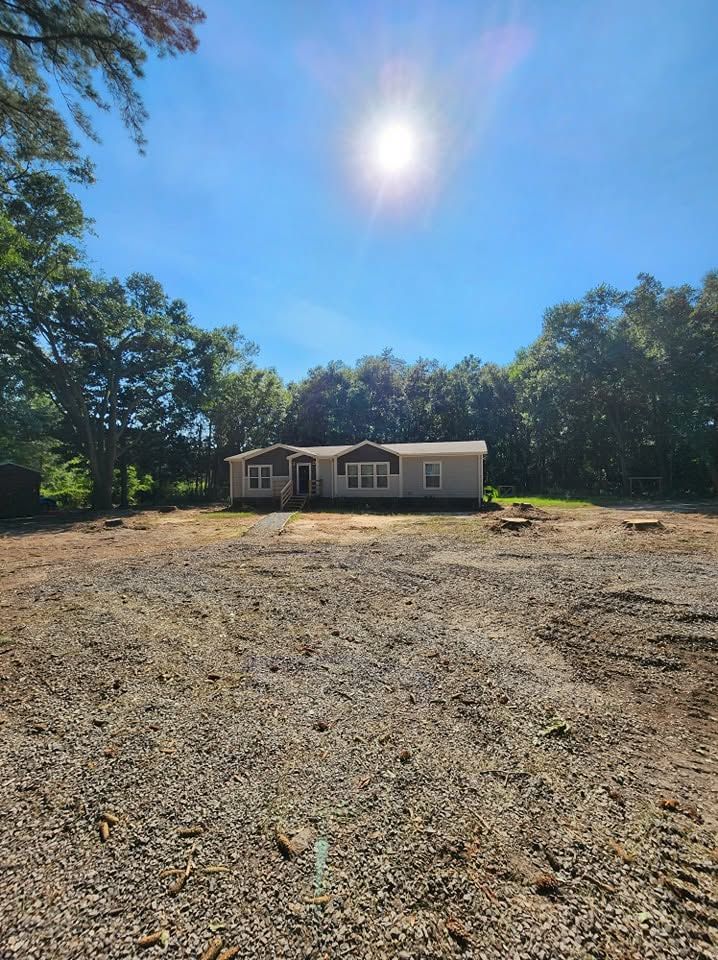
Once clearing finishes, you see defined property lines, flat grading planes, and access routes for construction vehicles. Stumps no longer interfere with foundation placement, and brush piles no longer hide drainage problems or pest habitat. The site becomes measurable, walkable, and ready for surveying or soil testing.
B's Tree Service integrates stump grinding and limb removal into the clearing process, so the lot is development-ready without scheduling separate contractors. Post-storm recovery work clears wind-thrown timber and hurricane debris that delay permitting or insurance inspections.
What Property Owners Usually Ask
Clearing timelines and methods vary depending on lot size, vegetation density, and site access, so these answers address the questions Mobile-area developers and homeowners ask before starting work.
What happens to the debris after clearing?
Debris is either staged for haul-away in dump trailers or chipped on-site if you want mulch left on the property. Large timber is cut into manageable lengths and removed by truck.
How deep are stumps ground during land clearing?
Stumps are ground six to twelve inches below the soil surface so grading equipment and concrete footings sit flush without hitting buried wood. Deeper grinding is available for areas requiring underground utilities.
Why does coastal plain terrain in Mobile require skid steer clearing?
Coastal plain soil holds moisture and roots spread wide rather than deep, so manual clearing leaves uneven ground and hidden root mats. Skid steers pull root systems intact and level the soil in one pass.
When should I schedule land clearing before construction?
Clear lots at least two weeks before grading or foundation work begins, so the site dries out after debris removal and soil settles to its final grade. Hurricane season delays increase that window.
What is included in full-lot brush removal?
Full-lot clearing removes all standing vegetation, fallen limbs, underbrush, vines, and small trees. It does not include grading, fill dirt, or utility installation unless specified in the estimate.
B's Tree Service handles post-storm recovery and development clearing across Mobile, Fairhope, Wilmer, and Baldwin County, turning overgrown or damaged lots into construction-ready sites. Schedule a property walkthrough to review clearing scope and debris removal logistics for your project.